
Share
Should You Close a Credit Card After Paying It Off?

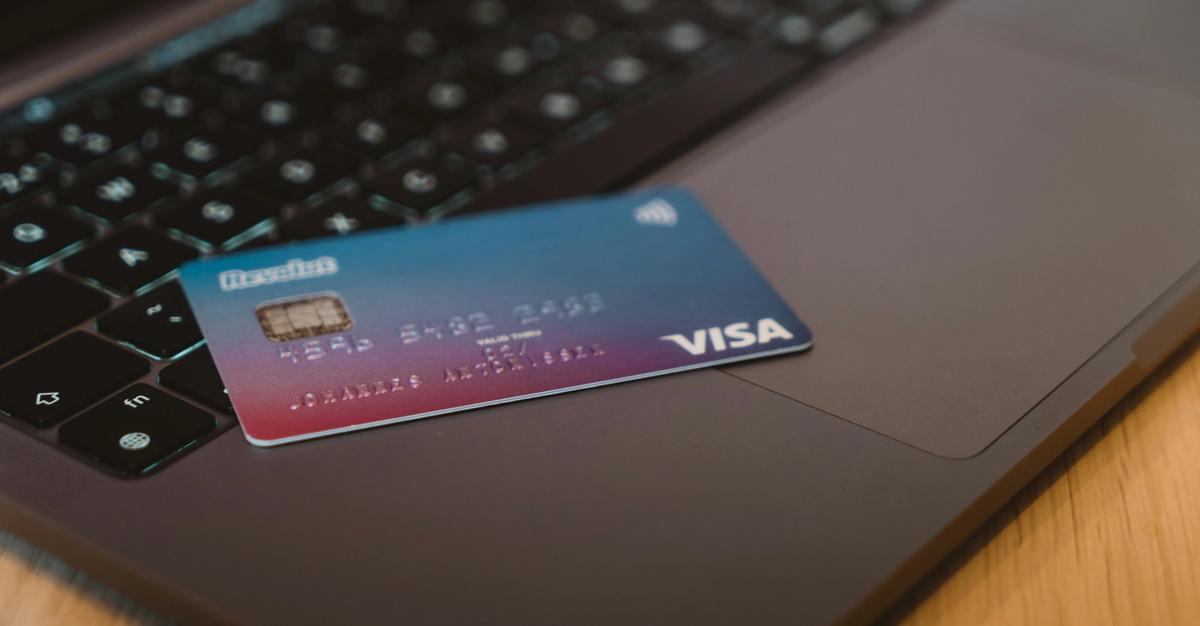
- 📋 Key Takeaways — Closing a credit card after paying it off can hurt your credit score by increasing your utilization ratio, reducing the average age of your accounts, and narrowing your credit mix. For that reason, the standard advice is to keep paid-off cards open. But standard advice does not account for the person who accumulated $20,000 in credit card debt because of a spending pattern — not a one-time event — and who will run the balances back up if the cards remain available. The right answer depends on why you had the debt, whether the conditions that created it have changed, and what your financial goals are over the next 12 to 24 months. For some people, the credit score math says keep the card. The behavioral math says close it. And for most people coming out of serious credit card debt, the behavioral math matters more.
If you paid off your credit card debt on your own — through months or years of aggressive payments, a balance transfer strategy, a hardship program, or sheer discipline — you are now staring at a card with a $0 balance and a credit limit of $10,000 or $15,000 sitting in your wallet. Every personal finance article says keep it open. But you know what happened last time you had $15,000 in available credit. And the question you are really asking is not "will this hurt my score?" It is "will I end up back where I started?"
The answer depends on why you had the debt in the first place. If it came from a one-time event — a medical emergency, a job loss, a divorce — and the conditions that created it are gone, keeping the cards open and using them lightly is usually the right move for your credit score. But if the debt came from a spending pattern — if you were using credit cards to live beyond your income month after month — keeping those cards open is like handing yourself back the tool that got you into trouble. The credit score math says keep them open. The behavioral math says close them.
Every article on the first page of Google answers this question from a credit score optimization perspective. That is useful if your biggest concern is a 15-point score fluctuation. It is not useful if your biggest concern is whether you will be $15,000 in debt again in two years. This article covers both sides.
Three Ways Closing a Card Affects Your Credit Score
Before you decide, you need to understand exactly what happens to your credit score when you close a credit card — because the impact is real, but it is not always as severe as people fear.
1. Your credit utilization ratio increases
Your credit utilization ratio is the percentage of your available revolving credit that you are currently using. It is calculated by dividing your total credit card balances by your total credit card limits. According to FICO, utilization accounts for approximately 30% of your credit score — making it the second most important factor after payment history.
When you close a card, its credit limit disappears from your total available credit. If you carry balances on other cards, your utilization ratio jumps — even though you did not borrow a single additional dollar.
Here is what that looks like with real numbers:
| Scenario | Total Limits | Total Balances | Utilization |
|---|---|---|---|
| 3 cards open, one paid off ($10K limit each) | $30,000 | $5,000 | 17% |
| Close the paid-off card | $20,000 | $5,000 | 25% |
| Close another $10K-limit card | $10,000 | $5,000 | 50% |
Same $5,000 in debt. Utilization went from 17% to 50% — purely from closing cards. The CFPB has confirmed that closing a card can increase your utilization ratio and lower your score. Most credit scoring experts recommend keeping utilization below 30%, and below 10% for the best scores.
The exception: If you have zero balances across all your cards, closing one has zero utilization impact — because 0 divided by any number is still 0. This is an important detail that most articles gloss over. If you have paid off all your credit cards and carry no revolving balance anywhere, closing one card does not change your utilization at all.
2. Your average age of accounts may decrease — but not immediately
Length of credit history accounts for approximately 15% of your FICO score, according to myFICO. A longer average age of accounts signals stability to lenders.
Here is what most people get wrong: under the FICO scoring model (the model used by the vast majority of lenders), closed accounts in good standing remain on your credit report for up to 10 years — and continue to contribute to your credit age during that time. So if you close a 12-year-old card today, it does not vanish from your credit history tomorrow. It stays for another decade, aging the entire time.
The impact comes later — when the closed account eventually drops off your report. If that 12-year-old card was your oldest account, losing it in 10 years could significantly reduce your average account age at that point. Under the VantageScore model (used by some lenders and many free credit monitoring services), the impact may be more immediate because VantageScore treats closed accounts differently.
The practical takeaway: if the card you are considering closing is your oldest credit account, the credit age impact is a reason to pause. If it is a newer card, the age impact is minimal.
3. Your credit mix may narrow
Credit mix — the diversity of your account types — accounts for roughly 10% of your FICO score. Lenders like to see that you can manage both revolving credit (credit cards) and installment loans (mortgages, auto loans, student loans). If the card you close is your only revolving credit account, your credit mix becomes less diverse.
This is the least impactful of the three factors. If you have other credit cards, closing one does not change your credit mix at all. It only matters if the card you are closing is your last revolving credit account.
When You Should Close the Card
Despite the credit score math, there are situations where closing the card is the right decision — because the financial or behavioral cost of keeping it open exceeds the credit score benefit.
The spending pattern has not changed. This is the most important consideration and the one no credit score optimization article addresses. If you accumulated credit card debt because of chronic overspending — using cards to cover a gap between your income and your lifestyle — the cards themselves are an enabler. Keeping them open with $0 balances and $10,000 to $20,000 in available credit is an invitation to rebuild the exact debt you just spent years paying off. The 15-to-30-point score benefit of keeping the card open is meaningless if it leads to $15,000 in new debt. Close the card. The score recovers. The debt might not.
The card has an annual fee you cannot justify. If you are paying $95 to $695 per year for a card you no longer use or whose rewards you do not redeem, the annual fee is a pure cost. Before closing, call the issuer and ask to downgrade to a no-annual-fee card in the same product family. Many issuers — Chase, Citi, American Express — allow product changes that preserve your credit limit and account history while eliminating the fee. If a downgrade is not available, closing the card to avoid the fee is reasonable.
The card is a joint account from a divorce. Joint credit cards should be closed during or immediately after a divorce. As we covered in our guide to spouse's credit card debt, a divorce decree does not release you from joint account liability — the issuer can still pursue either holder for the full balance. Closing the joint account eliminates the risk that your ex-spouse charges new debt you are liable for.
The card is at penalty APR that will not reset. If a card is stuck at 29.99% penalty APR and the issuer has not restored the regular rate after multiple review periods, keeping the card open invites future purchases at the worst rate available. If you have no balance on it and the issuer will not lower the rate, close it and apply for a new card at a standard rate when your score supports it.
You have too many cards to manage responsibly. If you have 6, 8, or 10 credit cards and struggle to track due dates, balances, and spending across all of them, consolidating to 2 or 3 actively managed cards reduces the risk of missed payments — which damage your score far more than closing an account does. Payment history is 35% of your FICO score. A single missed payment costs more than closing three cards.
When You Should NOT Close the Card
It is your oldest account. If the card is your oldest credit account by several years, closing it will eventually reduce your average credit age when it drops off your report in 10 years. Keep it open, even if you never use it. Set one small recurring charge on it to keep it active.
It is your only revolving credit account. If this is the only credit card you have and all your other credit is installment debt (mortgage, car loan, student loans), closing it eliminates revolving credit from your credit mix entirely.
You still carry balances on other cards. If you have $5,000 on another card and close the paid-off card, your utilization spikes as shown in the table above. Pay down the other balances first, or keep the paid-off card open to maintain the utilization ratio.
You need credit soon. If you are planning to apply for a mortgage, auto loan, or apartment within the next 6 to 12 months, do not close any credit cards. Lenders and landlords evaluate your credit at a snapshot in time, and any unnecessary score reduction — even a temporary one — can affect your approval or your rate. Our guides on buying a house with credit card debt and getting an apartment with bad credit cover how creditors evaluate your profile.
What Happens to Cards After Settlement, Bankruptcy, and Hardship Programs
If you came out of a debt relief process rather than paying off the card yourself, the card's status may already be decided for you.
After settlement: In most cases, the issuer closes the account as part of the settlement agreement. You do not get to choose whether to keep it open. The settled account will appear on your credit report as "settled for less than the full amount" for 7 years from the original delinquency date. Your focus shifts to rebuilding credit with the accounts you still have or with new secured cards.
After bankruptcy: Chapter 7 discharges the debt, and issuers typically close the accounts. You are starting from a clean slate. Rebuilding begins with secured credit cards — cards that require a cash deposit equal to the credit limit — which establish new positive payment history. Our guide on credit cards after bankruptcy covers the rebuilding process.
After hardship programs: The account is usually frozen during the program (no new charges allowed) but may reopen once the program ends and the balance is paid. This is the situation where the behavioral question matters most — because the card becomes available again, often with the same credit limit, right when you have achieved a $0 balance. If the hardship was caused by a temporary event and your financial position has stabilized, keeping the card open and using it sparingly is fine. If the hardship was caused by a spending pattern, consider closing it before the temptation returns.
The Sock Drawer Strategy
If you want to keep a card open for credit score purposes but do not trust yourself to use it responsibly, there is a middle path that preserves the credit benefits while removing the behavioral risk.
Step 1: Set one small recurring charge on the card — a streaming service, a phone bill, or any subscription under $20 per month. This keeps the account active and prevents the issuer from closing it due to inactivity (most issuers will close a card automatically after 12 to 24 months of zero activity).
Step 2: Set up autopay for the full statement balance. The subscription charge posts, the autopay clears it in full, and you never carry a balance or pay interest.
Step 3: Remove the card from your wallet, delete it from your online shopping accounts, and put the physical card somewhere inaccessible — a locked drawer, a safe, or a block of ice in the freezer (seriously — people do this and it works).
The card stays open. Your utilization stays low. Your credit age continues building. And you never touch the card for discretionary spending. This is the approach that works best for people who have the discipline to set it up and leave it alone.
How to Close a Card the Right Way
If you have decided to close a card, follow these steps to avoid complications:
Pay off the balance completely. If you close the card with a remaining balance, you still owe it — with interest continuing to accrue on the remaining amount. Pay to $0 before closing.
Redeem any rewards. Points, miles, and cash back may be forfeited when the account closes. Redeem everything before you call.
Cancel recurring charges. Move any subscriptions or autopay arrangements to a different card or your bank account. Missing a payment on a service you forgot about can create a balance on the "closed" account.
Call the issuer and request closure. Ask them to note that the account was "closed at the consumer's request" — this looks better on your credit report than "closed by issuer." According to the CFPB's guidance on closing credit cards, you should follow up in writing and keep a copy of the confirmation.
Confirm closure in writing. Send a brief letter to the issuer confirming the call and requesting written confirmation that the account is closed with a $0 balance. Keep this letter. If a balance appears later or a collector contacts you about the account, this documentation protects you.
Monitor your credit report. Check your report at AnnualCreditReport.com 30 to 60 days after closing to confirm the account shows as "closed by consumer" with a $0 balance. If it is reported incorrectly, dispute it with the bureau immediately.
The Bottom Line
The standard advice — "don't close credit cards after paying them off" — is correct for people managing healthy credit. It is not always correct for people recovering from serious credit card debt. The credit score impact of closing a card is real but usually temporary and modest. The financial impact of reopening a $20,000 debt because the cards were sitting in your wallet at full limit is neither temporary nor modest.
If you are not sure, ask yourself one question: did the debt come from an event or a pattern? Events end. Patterns repeat — unless you remove the tools that enable them.
Use our debt calculator to see what carrying a balance would cost if you did reaccumulate debt on those cards. Use our budget calculator to verify that your income now exceeds your expenses without relying on credit. And if you are still carrying balances on other cards and trying to decide on the best path forward — schedule a free consultation. We are happy to walk through your full picture and help you decide what makes sense.
FAQs
Does closing a credit card hurt your credit score?
It can. Closing a card reduces your total available credit, which can increase your credit utilization ratio and lower your score. According to the CFPB, this effect is most significant if you carry balances on other cards. However, if all your card balances are $0, closing one card has zero utilization impact because your utilization ratio is already 0%. The credit age impact is delayed under FICO scoring (closed accounts stay on your report for 10 years) but may be more immediate under VantageScore. The overall impact is usually temporary and modest — typically 15 to 30 points — and recovers within a few months if you continue paying all other accounts on time.
Should I close my credit card after debt settlement?
In most cases, the issuer closes the account as part of the settlement agreement, so you may not have a choice. The settled account will appear on your credit report for 7 years from the original delinquency date. Your priority after settlement is rebuilding credit with any accounts that remain open or with new secured credit cards. If you have other cards that survived the settlement process, keeping them open and using the sock drawer strategy (one small recurring charge, autopay, card put away) helps rebuild utilization and credit age.
Can my credit card company close my account if I don't use it?
Yes. Most issuers reserve the right to close inactive accounts — typically after 12 to 24 months of zero activity. This is why the sock drawer strategy includes setting one small recurring charge on the card. A $10 monthly subscription keeps the account active and prevents the issuer from closing it for inactivity, which would reduce your available credit and potentially increase your utilization ratio without your knowledge.
Should I close a credit card with an annual fee?
Not necessarily — first, call the issuer and ask for a product change (downgrade) to a no-annual-fee card in the same product family. Many issuers allow this, and it preserves your credit limit, account age, and payment history while eliminating the fee. If a downgrade is not available and you are not using the card's benefits enough to justify the fee, closing is reasonable. The credit score impact of closing one card is usually smaller than the cumulative cost of paying an annual fee year after year on a card you do not use.
What is the sock drawer strategy for credit cards?
It is a method for keeping a card open for credit score purposes without using it for everyday spending. Set one small recurring charge (streaming service, phone bill) on the card, enable autopay for the full statement balance, and physically store the card somewhere you will not reach for it. The subscription keeps the account active, autopay ensures you never miss a payment, and removing the card from your wallet eliminates the risk of impulse spending. This preserves your credit utilization, credit age, and payment history while removing the behavioral temptation that leads to re-accumulating debt.
How long does it take for my credit score to recover after closing a card?
The initial impact — primarily from the utilization ratio increase — typically recovers within 2 to 4 months if you continue making all payments on time and do not add new balances to other cards. The credit age component may not show any impact for years (under FICO, closed accounts remain on your report for up to 10 years). According to Experian's senior director of consumer education, scores "typically rebound in a few months if you continue to make your payments on time." The overall impact is almost always less severe than people fear, and significantly less damaging than a missed payment, a new collection account, or re-accumulating the debt you just paid off.
Sources (cited inline throughout article):
- Consumer Financial Protection Bureau, "Does It Hurt My Credit to Close a Credit Card?" — https://www.consumerfinance.gov/ask-cfpb/does-it-hurt-my-credit-to-close-a-credit-card-en-1231/
- Consumer Financial Protection Bureau, "I Want to Close My Credit Card Account. What Should I Do?" — https://www.consumerfinance.gov/ask-cfpb/i-want-to-close-my-credit-card-account-what-should-i-do-en-84/
- myFICO, "What Is the Length of Your Credit History?" — https://www.myfico.com/credit-education/credit-scores/length-of-credit-history
- myFICO, "Amount of Debt" — https://www.myfico.com/credit-education/credit-scores/amount-of-debt
- AnnualCreditReport.com (free credit report monitoring) — https://www.annualcreditreport.com